Stephanie Teasley

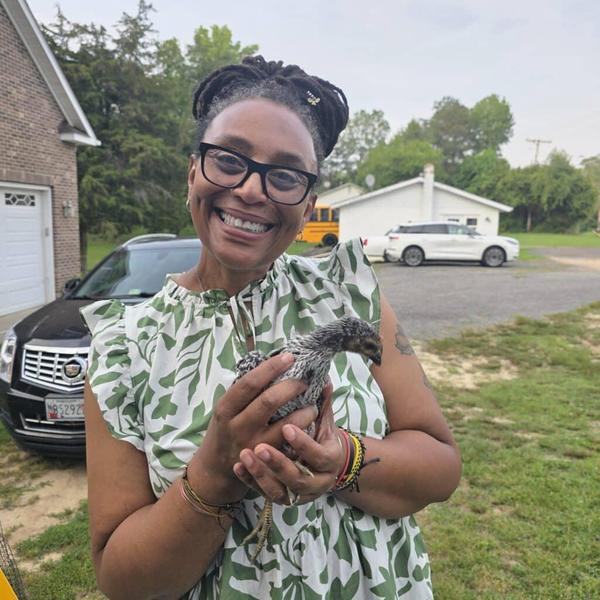
Stephanie Teasley is a writer living in Palm Springs, CA. Her work has appeared in Lunch Ticket, Cuisine Noir, and NuOrigns, among other publications. Stephanie enjoys writing and crafting other people’s stories and sharing narratives to the masses. She completed the Muses and Melanin Professional Writers Fellowship through California Humanities, a state affiliate of the National Endowment of the Humanities. Stephanie is currently working on a collection of experimental, personal essays. When she is not writing, Stephanie enjoys playing video games, being a Trekkie, and spending time with her loved ones, both human and furry.

For inquiries, please email stephanieteasleywrites@gmail.com.

Black Farmer Fund Helps Fill Capital Access for Black Farmers

Black Farmer Fund was created to address the long-standing gap in agricultural capital access. A nonprofit, community-led investment organization based in the U.S. Northeast, the fund supports Black farmers and food businesses to build community wealth, health, and long-term stability.

Unlike traditional financial institutions, the fund centers community governance and therefore does not rely on personal credit reports and limits personal guarantees. Community-based committees make investment decisions, ensuring capital supports growth rather than reinforcing debt.

Short Term Rentals Platform Whimstay Fills Vacation Needs

Whimstay is a dedicated vacation platform for short term rentals that offers discounted, last-minute bookings for professionally managed properties. It caters to what co-founder Alex Alioto calls “the next‑generation traveler.”

“We focus specifically on last-minute bookings, helping hosts fill unsold gap nights,” Alioto says. “For travelers who are open to spontaneity, that means access to vacation rentals at about 30% off typical Airbnb prices if they’re willing to book last-minute. That’s the model. We’re not reinventing the wheel — it’s similar to Nordstrom Rack, grocery outlet stores, or other concepts that sell inventory at a discount.”

How Food Businesses Are Leading Innovation in Ghana

Ghana’s food scene is undergoing a dynamic transformation, led by a new generation of culinary innovators reclaiming and redefining the country’s rich food traditions. Whether they were born abroad, have returned to Ghana, or are rooted in Ghana from the beginning, these creative food entrepreneurs are part of a rapidly growing movement.

Blending Ghana’s heritage with modern innovation and creating a fusion that respects the past and embraces the future, their efforts demonstrate that Ghana’s culinary identity is enduring and evolving, reflecting its robust culture and influences.

Container Gardening: Guidance to Grow Food in Your Apartment

Cuisine Noir often spotlights community gardens and outdoor farming in conversations about climate and food, but not everyone has space or access to a garden outside. Apartment and container gardening offer practical ways for food you can grow in your apartment.

Container gardeners like Timothy Hammond and Quincey Adams have been practicing this approach for years, showing how accessible food you can grow in your apartment can be with the right techniques.

Ghanaian Hospitality: How Americans Are Investing in Ghana - Cuisine Noir

The number of American expatriates, people living outside their home country, moving to Ghana has risen significantly, especially since 2019’s Year of Return initiative.

Launched by the Ghanaian government, this initiative aligned with the 400th anniversary of the first enslaved Africans arriving in Virginia in 1619. The Year of Return aimed to promote travel and investment in Ghana and encourage African resettlement by reconnecting the diaspora with their heritage.

12 Creative and Transformative Uses for Food Scraps

In our article, “From Waste to Wisdom: Lessons on Using Food Scraps for Sustainability,” Dr. Donna Nickerson discusses the practice of food scrapping and the benefits both individually and for communities.


She is also sharing 12 uses for food scraps that transform waste into valuable meals to demonstrate the practicality of food scrapping in everyday households. Below are examples of recipe creations that can be made from common scraps used in weekly cooking.


1. Pineapple Skin and Core Tea...

From Waste to Wisdom: Sustainable Lessons on Food Scraps

The term “food scraps” in relation to Black Americans pertains to the historical practice during American slavery, where enslaved individuals were supplied with the least desirable leftover parts of animals by their enslavers—such as ham hocks, pig feet and intestines—to prepare their meals.

The need to make use of leftover ingredients for nourishment led to the development of soul food, a cherished culinary tradition that continues to influence Black American cuisine today by turning often discarded ingredients into beloved dishes.

In our previous conversation, Dr. Donna Nickerson discussed home composting. She described how her business, Da’ Shack Farmers Market Health and Wellness, Inc., in Waco, Texas, supports others in this effort.

Helt Araújo Reclaims Angolan Cuisine with OVINA YETU

The Republic of Angola is a country located in southwestern Africa. Although its official language is Portuguese, a significant portion of the population is from the Bantu people, an ethnolinguistic grouping of 400+ distinct native African ethnic groups.

Due to the eclectic demographic, the modern appearance of Angolan cuisine consists of a combination of indigenous African ingredients and cooking techniques, Portuguese influences and ingredients from other colonies. However, the same demographic mix has led to a loss of Angolan culinary practices.

To combat this, chef Helt Araújo created OVINA YETU, a project intended to reveal and promote Angolan cuisine as a fundamental element of Angolan cultural and environmental heritage.

How to Compost at Home Using Ancestral Practices

Dr. Donna Nickerson is the owner of Da’ Shack Farmers Market Health and Wellness, Inc. in Waco, Texas. “Professionally, I’m a psychotherapist, and I also have a deep connection to Indigenous gardening, which has been a part of my family for generations,” she says.

“I started gardening as a child, learning from my mother, who hails from the Philippines, while my father is from the United States.” Dr. Nickerson grew up surrounded by her family’s gardens, which fostered her love for them and taught her how to compost at home.

Inflicted by Stephanie Teasley/KIZA BlackLit Spring 2025 Mini Series — NLPG inc.

AN EXCERPT FROM THE NOVELBY STEPHANIE TEASLEY©2016. ALL RIGHTS RESERVED.  Chapter One: Autumn Grove, Missouri, United States. March 18th, 2040Adana Bond was the world champion at losing her possessions. Her parents didn’t seem to mind; most of her items were hand-me-downs from her older sister, fourteen-year-old Dedra, who was shooting up at an alarming rate. Adana was also tall, one of the few physical traits they both inherited from their parents. Adana’s parents, George and Gina, were educato...

Sorghum: Decolonizing an Ancient Grain Fueling Agriculture

Chef, educator, and food advocate Bashir Munye, whose journey spans Somalia, the U.S., Italy, and Canada, recalls his initial encounter with sorghum in his native Somalia, a grain now at the heart of his innovative approach to African food studies.

“I left Somalia when I was five years old, so my first experience with sorghum was back home as a child,” he says. “One of our traditional dishes is anjero, similar to the Ethiopian laxoox. In Somalia, we ferment sorghum to create sourdough flatbreads similar to dosa, an Indian flatbread.”

Chef Bashir views food as a connection to culture, equity, and innovation. Having traveled widely and immersed himself in various countries, their cuisines, and traditions, he understands that food represents more than just sustenance.

Homesteading Tips to Get Started and Reconnect

Homesteading involves living simply and achieving self-sufficiency, mainly through cultivating and preserving food on a homestead (meaning a house, especially a farmhouse, and outbuildings). It also includes land acquisition, settlement, or occupation under homestead laws.

Historically and globally practiced, homesteading is distinct from communal living due to the relative isolation of the homestead, both socially and physically. Urban homesteading refers to individuals in urban or suburban settings adopting sustainable practices and self-sufficiency by growing their own food, engaging in environmentally friendly habits and minimizing dependence on conventional systems.

These Are The Best Cities For Women To Live And Work

Pinpointing the best cities for women to live and work requires examining vital factors like healthcare, economic opportunity, and community support. This can be tricky because choosing where to live and work is not a one-size-fits-all situation.

Pinpointing the best cities for women to live and work requires examining vital factors like healthcare, economic opportunity, and community support. This can be tricky because choosing where to live and work is not a one-size-fits-all situation.

Over...

Black-Owned Sustainable Brands Doing Good

In recent years, more businesses have embraced sustainable practices. Food and drink sustainability emphasizes responsibly sourcing ingredients, employing ethical labor, practicing sustainable farming (including regenerative methods), and operating energy-efficiently with a focus on water conservation and waste reduction.

Black-led food and drink businesses are integrating sustainability into their operations, from innovative packaging to eco-friendly sourcing. Here are ten Black-owned sustainable brands leading this movement.
Load More